Selected work / Field notes

The work,
in detail.

Objects take shape through drawings, tests, revisions, and the final decisions made by hand. These notes look closely at that process, without naming private commissions.

Browse the entries ↓

Entry 01 / Ornament + hardware

Ornament,
translated.

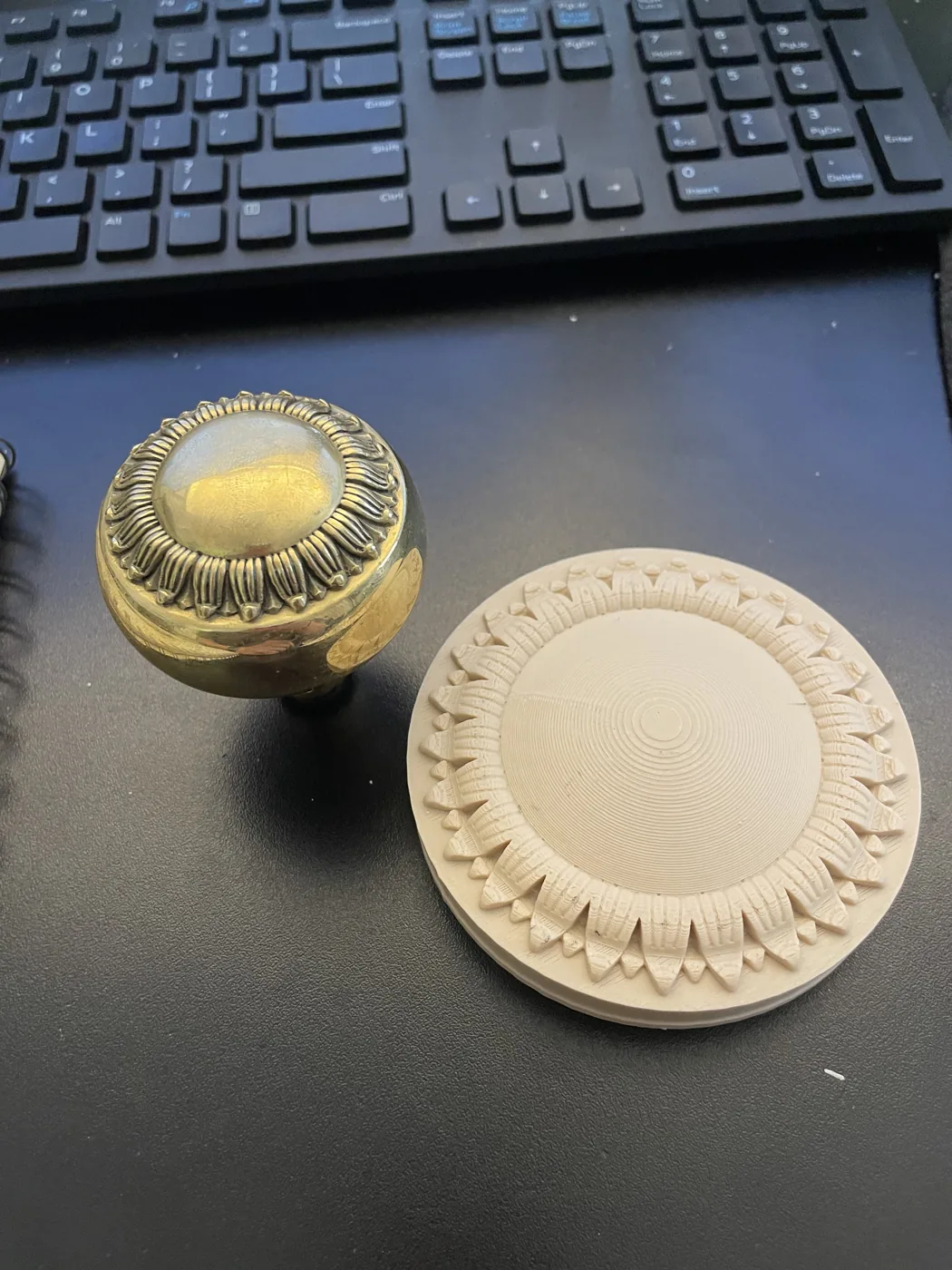
A decorative detail looks different as a reference, a physical prototype, and a finished object. Each version answers a different question about form, depth, and how the hand meets the surface.

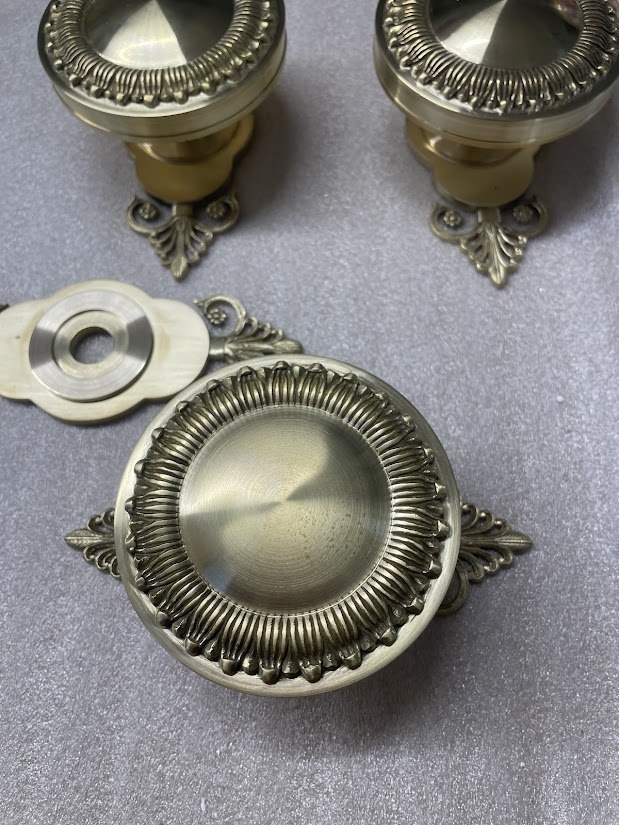
I carried this hardware through design, prototyping, final production, and finishing. The paired views show a study beside the original detail, then a completed brass knob from the same body of work.

How I approach drawing review ↗
Ornamental reference hardware beside a pale physical prototype
01 / Reference and physical study
Finished brass knob with a circular face and decorative edge
02 / Finished detail

More from the bench

Small decisions.
Lasting effects.

Short notes on separate pieces, each focused on a decision that matters between first idea and final finish.

02 / Model → object

From model to hand

A long pull has to work as a line in a room and an object in the hand. Modeling, physical studies, and finished hardware each reveal a different part of the design problem.

03 / Repetition

Rhythm in metal

In slatted and recessed details, spacing and edge treatment become the design. A repeated pattern has nowhere to hide an awkward proportion.

04 / Material + touch

A softer point of contact

A set of faceted pulls ends in a contrasting pale surface. The small change at the tip reshapes both the feel of each piece and the rhythm of the group.

05 / A set of parts

A family of fittings

Small related components are most revealing when seen together. Profile, proportion, and finish have to speak the same visual language across the set.

06 / Display structure

A quiet support

A mount for a sculptural object should do its job without becoming the subject. The connection and plinth are considered for stability, proportion, and visual restraint.

07 / Hardware composition

A door, resolved in details

A long pull, plates, and circular accents were studied together on a mockup. Seeing the pieces in one frame makes their spacing and relative scale easier to judge than separate drawings can.

08 / Object + setting

Jewelry for architecture

A long ornamental pull changes character beside different surfaces. Held in the hand it reads as an object; against wood, its outline and texture become part of a larger composition.

09 / Operating hardware

The overlooked interface

Window-handle parts reward a close look. The small relationships between grip, fastener, and neighboring components shape how the finished assembly is read and used.
Have a detail in mind?

Let's work it through.

Bring a sketch, a model, or the piece that isn't quite right yet. We can define what it needs to become buildable.

Email hello@lando.work ↗